Wordle Today: How to Improve Your Winning Streak
Maintaining a winning streak in Wordle Today is a challenge many players aim for. Success requires strategy, observation, and consistent play. Winning streaks are not just about luck—they reflect smart guessing, pattern recognition, and careful letter analysis. This guide shares actionable tips and techniques to improve your Wordle Today winning streak.
Understanding Wordle Today Streaks
What is a Wordle Today Streak?
A winning streak in Wordle Today refers to consecutive days where you correctly guess the daily five-letter word. The streak tracks consistency and accuracy over time. Maintaining it requires daily engagement and strategic play.
Why Streaks Matter
Streaks offer motivation and a sense of achievement. They also help track your improvement in solving Wordle Today puzzles. Players often aim to beat personal bests or compete with friends. The streak adds an element of challenge beyond individual games.
How Streaks Are Tracked
Wordle Today automatically records your streak on the web interface. Solving the daily puzzle continues the streak, while failing or skipping resets it. Streak tracking encourages regular gameplay. Consistency is key to maintaining a streak.
Psychological Benefits
Maintaining a streak boosts confidence and builds habit. Players experience satisfaction from consecutive wins. It also enhances focus and strategy for each daily puzzle. Psychological motivation drives players to improve performance.
Common Challenges
Even experienced players can break streaks due to tricky words or misinterpretation of clues. Distractions, overthinking, or ignoring feedback often lead to errors. Recognizing common pitfalls helps in sustaining your streak.
Also Visit: Wordle Today: The Top 5 Common Words You Might See
Beginner Strategies for a Strong Streak
Use High-Frequency Starting Words
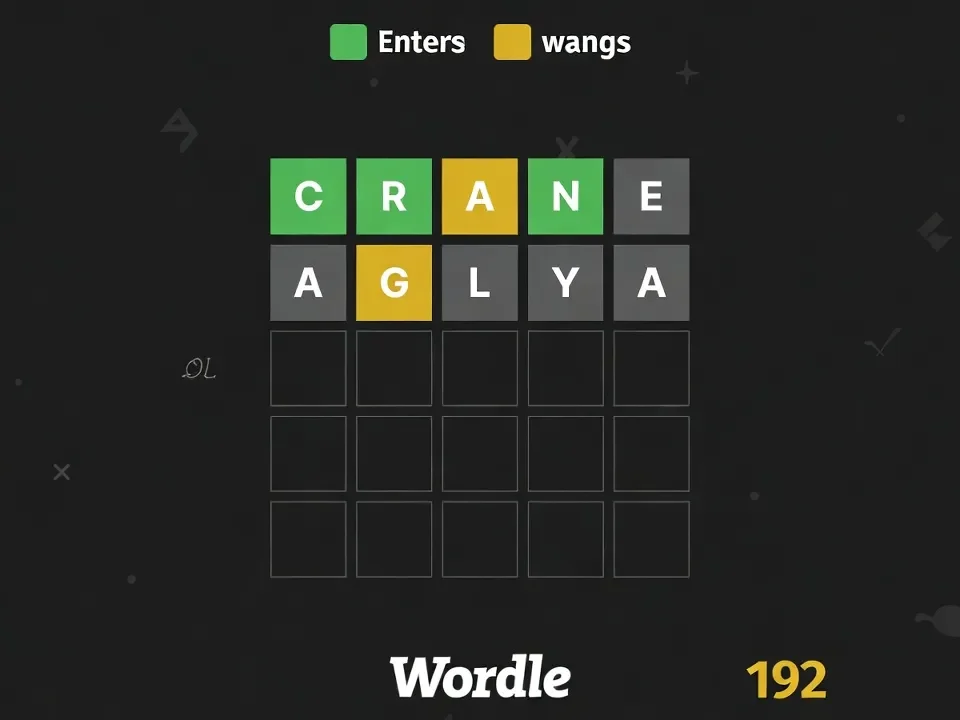
Starting with common words like “slate,” “crane,” or “arise” maximizes early letter coverage. This strategy increases the likelihood of correct letters appearing in the first guess. Smart starting words lay the foundation for a longer Wordle Today streak.
Focus on Vowels Early
Vowels are central to word structure. Identifying them early simplifies deduction. Words like “audio” or “adieu” reveal multiple vowels in one guess. Early vowel identification increases efficiency and preserves streaks.
Track Eliminated Letters
Keeping track of gray letters prevents repeated mistakes. Beginners should note which letters are absent and avoid them in future guesses. Tracking eliminated letters reduces errors and supports consecutive wins.
Observe Green and Yellow Tiles
Green letters lock in position; yellow letters need careful repositioning. Paying attention to this feedback ensures informed guesses. Proper observation helps maintain Wordle Today streaks.
Avoid Overcomplicating Guesses
Stick to common, logical words rather than rare or obscure guesses. Simplicity often leads to quicker solutions. Beginners benefit from straightforward strategies for consistent wins.
Expert Strategies to Maintain a Streak
Optimize Starting Words
Experts rotate starting words to maximize coverage of common letters. Words like “stare,” “trace,” and “slate” are highly effective. Optimized first guesses increase the chances of solving Wordle Today in fewer attempts.
Apply Letter Frequency Analysis
Prioritize frequently used letters such as E, A, R, O, T, and L. Analyzing feedback strategically helps eliminate unlikely options. Frequency-based tactics minimize mistakes and sustain streaks.
Predict Common Patterns
Recognize word endings like “-ed” or “-er” and prefixes like “re-” or “un-”. Advanced players use these patterns to narrow down possibilities. Pattern recognition is critical for maintaining long Wordle Today streaks.
Track Multiple Solutions
Experts keep several possible words in mind while solving. This flexibility allows adjustment based on new feedback. Considering multiple solutions ensures a higher probability of daily wins.
Strategic Letter Elimination
Occasionally, dedicating a guess to eliminating high-probability letters reduces options for later attempts. This methodical approach prevents mistakes and protects your streak.
Mixed Strategies for All Players
Rotate Your Starting Words
Using a variety of starting words exposes different letters and patterns. Both beginners and experts benefit from rotating “slate,” “crane,” “trace,” and “stare.” Rotation improves coverage and reduces repetitive mistakes in Wordle Today.
Balance Vowels and Consonants
Early guesses should include a combination of vowels and consonants. Balanced words reveal more information. Efficient letter distribution strengthens streak maintenance.
Analyze Feedback Carefully
Every tile’s color provides valuable clues. Lock in green letters, reposition yellow ones, and avoid gray letters. Careful feedback analysis minimizes wasted attempts. Proper interpretation is essential for maintaining streaks.
Learn From Past Puzzles
Observing common letters, patterns, and starting words from previous games improves future guesses. Historical trends increase consistency. Learning from experience helps maintain Wordle Today streaks over time.
Stay Mentally Flexible
Adjust your approach based on each puzzle’s feedback. Avoid sticking rigidly to one strategy. Flexibility ensures higher accuracy and longer streaks. Adaptable thinking is key for both beginners and experts.
Common Mistakes That Break Streaks
Ignoring Feedback
Failing to use color-coded clues often leads to incorrect guesses. Each tile provides crucial information. Ignoring feedback increases the risk of breaking a streak.
Overcomplicating Words
Choosing obscure or unlikely words early often wastes attempts. Simpler, logical words are more reliable for maintaining Wordle Today streaks.
Repeating Eliminated Letters
Using gray letters in later guesses reduces accuracy. Tracking and avoiding eliminated letters is essential for streak preservation.
Skipping Daily Puzzles
Missing a day automatically breaks your streak. Consistent daily play is critical to maintaining a winning run.
Lack of Preparation
Not having a mental list of starting words or fallback options leads to slower guessing. Preparation ensures consistent performance in Wordle Today.
Tools and Resources for Winning Streaks
Word Lists and Frequency Charts
Using word lists with high-frequency letters helps optimize guesses. Beginners and experts alike can benefit from structured lists.
Online Communities
Reddit and Twitter communities share tips, starting words, and strategies. Engaging with these forums provides insights to sustain your streak.
Practice Versions
Unlimited Wordle practice versions allow experimentation without affecting your daily streak. Testing strategies before the real puzzle improves performance.
Tracking Apps
Third-party tools can track streaks, guesses, and patterns. Experts use these to refine strategies for maintaining Wordle Today streaks.
Strategy Guides
Comprehensive guides outline starting words, elimination strategies, and advanced deduction techniques. Using these resources enhances streak reliability.
Frequently Asked Questions (FAQs)
What is a Wordle Today streak?
It is the number of consecutive days you correctly solve the daily Wordle puzzle.
How can beginners maintain a streak?
Start with common words, track eliminated letters, and carefully observe feedback.
What advanced strategies help experts?
Experts use optimized starting words, letter frequency analysis, pattern recognition, and multiple solutions.
Does skipping a day break your streak?
Yes, missing the daily puzzle resets the streak to zero.
Is Wordle Today free to play?
Yes, it is completely free and accessible online via any browser.
Conclusion
Improving your Wordle Today winning streak is a combination of strategy, observation, and consistency. Using optimized starting words, analyzing color-coded feedback, tracking letters, and adapting to patterns helps both beginners and experts maintain long streaks. Daily practice, mental flexibility, and careful planning are essential for turning Wordle Today into a consistent and enjoyable daily habit.