Why Wordle Became One of the Most Popular Online Games
Wordle is a simple online word puzzle that has captured the attention of millions around the world. Its daily five-letter word challenge encourages players to engage in light yet stimulating mental exercise. Wordle’s unique combination of simplicity, strategy, and social sharing has driven its immense popularity. This article explores the reasons behind Wordle’s rise as one of the most popular online games.
Origins and Development
Creation by Josh Wardle
Wordle was created by software engineer Josh Wardle as a personal gift for his partner. Initially, it was a private game meant to entertain a small circle of friends. Its simplicity and charm quickly attracted wider attention. This personal origin story adds to the game’s appeal. Wordle’s development reflects creativity without overcomplicating gameplay.
Going Public
In 2021, Wordle was released to the public. Players immediately embraced its intuitive mechanics and daily challenge format. Social media sharing amplified its reach. Memes and screenshots allowed users to engage collectively without spoiling answers. The public release marked the start of its viral growth.
Acquisition by The New York Times
In January 2022, The New York Times acquired Wordle. This acquisition gave the game a broader platform and integrated it into a suite of online puzzles. Fans were reassured that the core gameplay would remain intact. The move also helped fund Wordle’s development and maintenance. The acquisition cemented its mainstream status.
Viral Spread on Social Media
Social media played a key role in Wordle’s popularity. Players shared color-coded results without revealing answers. Hashtags like #Wordle created a global conversation. Viral sharing made the game accessible to new audiences. Social engagement turned Wordle into more than just a puzzle—it became a trend.
International Appeal
Wordle’s simple design and universal word-based challenge made it accessible worldwide. Translations and adaptations further increased reach. Players from different countries could enjoy the same daily puzzle. Its cross-cultural appeal contributed to global popularity. Wordle bridged language barriers with straightforward mechanics.
Also Visit: 10 Proven Wordle Strategies to Solve Puzzles Faster
Gameplay Simplicity
Easy-to-Understand Rules
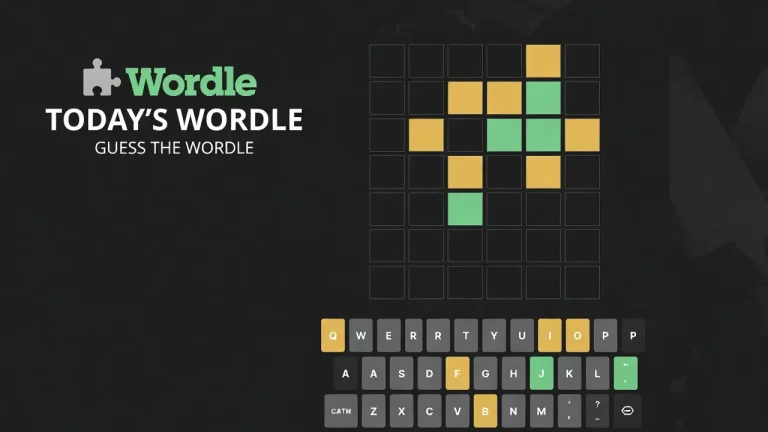
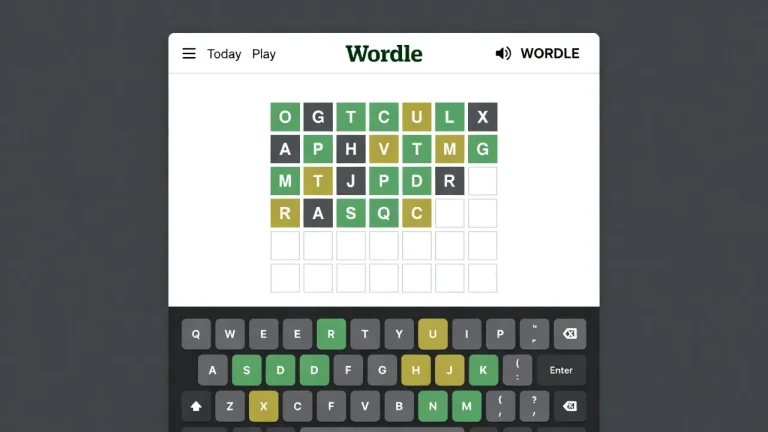
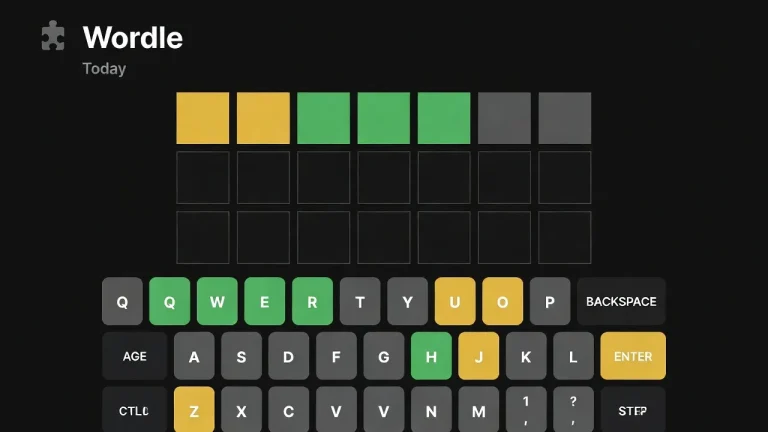
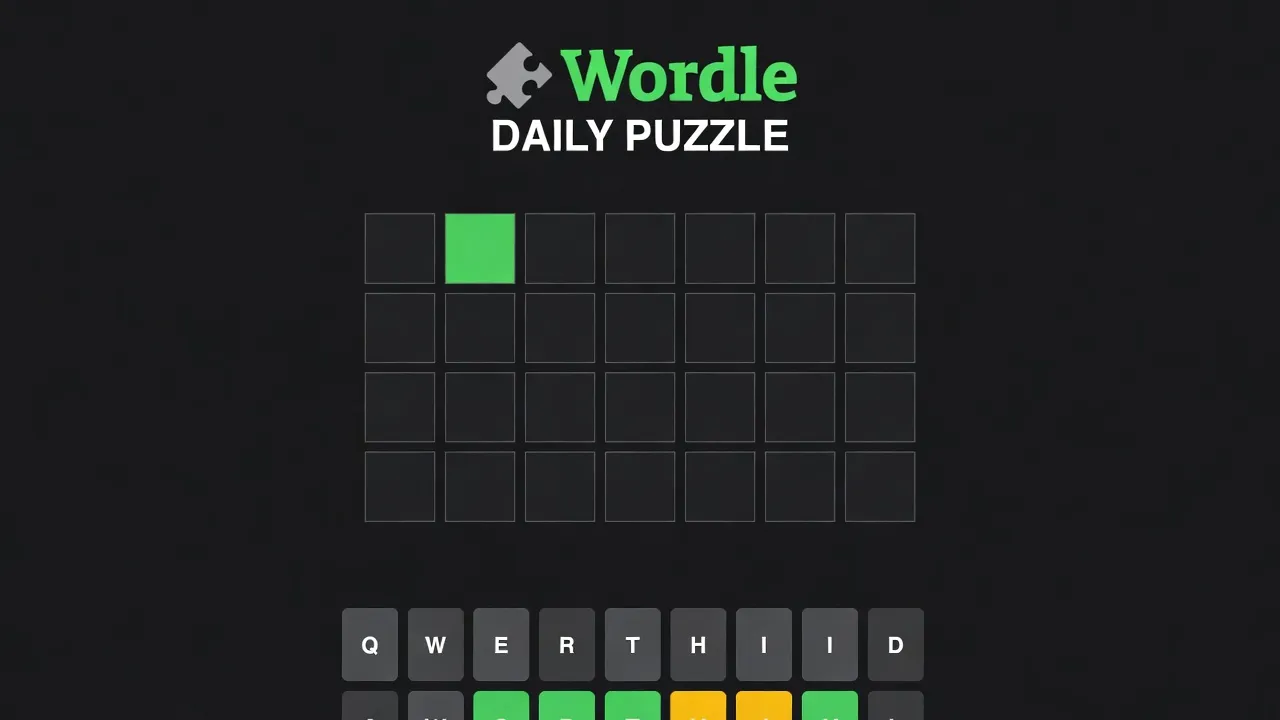
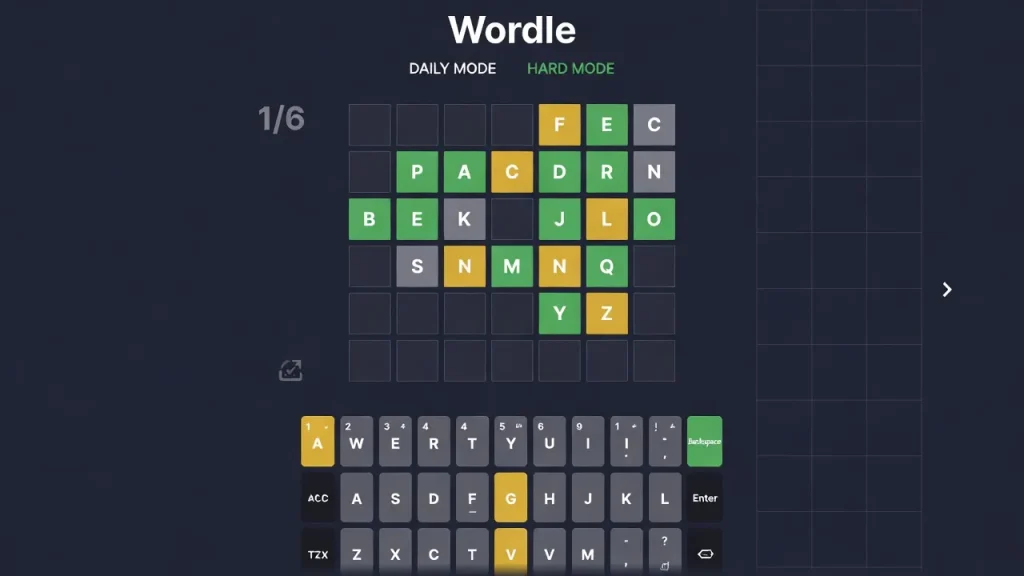
Wordle’s rules are simple and intuitive. Players have six attempts to guess a five-letter word. Green letters indicate correct placement, yellow letters show correct letters in the wrong place, and gray letters indicate letters not in the word. The simplicity makes it approachable for all ages. Easy rules are a cornerstone of its widespread appeal.
Short Daily Challenge
Each Wordle puzzle is quick to play, typically taking only a few minutes. The daily format encourages consistent engagement without overwhelming players. It becomes a part of people’s routines. The short gameplay makes it ideal for busy schedules. The brevity contributes to repeated daily participation.
Color-Coded Feedback
Color-coded feedback guides players without giving away the answer. Green, yellow, and gray colors create a visually intuitive system. This system adds strategy and logical thinking to gameplay. Players can quickly adapt guesses based on feedback. The visual simplicity enhances the overall experience.
No Downloads Required
Wordle can be played entirely online through a web browser. Players do not need to download apps or pay fees. Accessibility contributes to a low barrier of entry. Users can play on any device, including phones, tablets, and computers. This convenience has helped expand its audience.
Encourages Strategic Thinking
Despite its simplicity, Wordle requires logical reasoning and deduction. Players analyze feedback to make informed guesses. Strategy develops as users identify letter patterns and positions. Mental engagement keeps players motivated and challenged. Wordle balances simplicity with intellectual stimulation.
Social and Community Engagement
Sharing Results
Players can share results without spoiling answers. The use of emoji grids allows friends to compare progress visually. Sharing creates a sense of camaraderie and friendly competition. It encourages more people to try the daily puzzle. This viral sharing mechanism amplified Wordle’s reach.
Friendly Competitions
Many players compete informally with friends and colleagues. Tracking streaks and scoreboards adds a competitive element. Daily challenges foster communal engagement. Competition enhances enjoyment and retention. Social interaction strengthens its popularity.
Meme Culture Integration
Wordle quickly became part of internet meme culture. Players create humorous content based on wins, losses, or unusual words. Memes highlight the game’s accessibility and relatability. Viral memes increase curiosity among non-players. Humor played a role in spreading the game further.
Global Trends
The game transcended countries and age groups. People worldwide participate in the same daily challenge. Platforms like Twitter, Instagram, and Reddit amplified exposure. Global engagement created a shared digital experience. Wordle became a cultural phenomenon, not just a game.
Collaborative Learning
Players often discuss strategies and tips online. Communities share insights into letter frequency, starting words, and guessing patterns. Collaborative learning encourages skill improvement. It makes the game more inclusive for beginners. Online discussions enhance the sense of community.
Psychological Appeal
Daily Ritual and Anticipation
The daily puzzle creates anticipation and routine. Players look forward to solving the new word each day. This sense of routine contributes to retention and engagement. Anticipation increases excitement and satisfaction. Wordle fits naturally into daily habits.
Small Wins and Satisfaction
Solving the puzzle provides immediate gratification. Even partial success offers a sense of accomplishment. Small wins trigger positive reinforcement in the brain. This encourages players to return daily. The psychology of achievement fuels its addictive appeal.
Cognitive Challenge
Wordle exercises vocabulary, memory, and logical deduction. Players enjoy mental stimulation in a low-pressure environment. The game challenges without frustrating. Cognitive engagement keeps players mentally active. Wordle’s mental benefits add intrinsic motivation.
Minimal Stress Gameplay
The game’s short and casual format reduces stress compared to competitive games. Players can enjoy a mental challenge without feeling overwhelmed. This makes Wordle relaxing and fun. Low stress enhances its daily appeal. The simple design encourages continued play.
Progress Tracking
Wordle allows players to track streaks and performance. Monitoring progress motivates consistent play. Visual feedback reinforces engagement. Long-term tracking encourages improvement. Players are drawn back to maintain their streaks.
Media and Cultural Recognition
Coverage by Major Media
Wordle has been featured in major news outlets and tech websites. Articles highlighted its simplicity, social aspect, and viral nature. Media coverage brought it to wider attention. Publicity helped solidify Wordle’s reputation. Exposure in mainstream media fueled adoption globally.
Celebrity Endorsements
Celebrities and influencers often shared their Wordle results online. These posts introduced new audiences to the game. Celebrity engagement increased curiosity and credibility. Social proof contributed to viral growth. Influencers helped expand its reach quickly.
Awards and Honors
Wordle has been recognized for innovation and cultural impact. It has received praise for simplicity, engagement, and design. Accolades reinforced its status as a leading online game. Recognition validates its popularity and longevity. Awards highlight Wordle as a benchmark for casual gaming.
Educational Impact
Wordle encourages vocabulary development and spelling skills. Teachers and educators recommend it for language learning. The game provides informal learning opportunities. Educational appeal adds to its overall value. Players benefit cognitively while enjoying the game.
Adaptations and Variants
The popularity of Wordle inspired variations like Dordle, Quordle, Absurdle, and Worldle. These adaptations expanded gameplay and engagement. New versions kept players interested and challenged. Variant games extended Wordle’s influence. Diverse formats increased overall popularity.
Frequently Asked Questions (FAQs)
Why did Wordle go viral so quickly?
Social sharing, simple gameplay, and daily challenges created a viral loop.
Do I need to pay to play Wordle?
No, Wordle is completely free and playable via a web browser.
Can Wordle improve my vocabulary?
Yes, regular play enhances vocabulary, spelling, and cognitive skills.
Is Wordle suitable for all ages?
Yes, the simple rules and intuitive interface make it accessible for children and adults.
What makes Wordle different from other online games?
Its simplicity, daily challenge, social sharing, and mental stimulation set it apart.
Conclusion
Wordle became one of the most popular online games due to its simplicity, daily challenges, social engagement, and cognitive appeal. Its viral spread was fueled by social media, celebrity involvement, and mainstream media coverage. The combination of mental stimulation, minimal stress, and communal interaction makes it a daily ritual for millions worldwide. Wordle’s unique blend of accessibility and strategy ensures its enduring popularity.