How to Play Wordle: Rules, Tips, and Winning Strategies
Wordle is a simple yet engaging word puzzle that challenges players to guess a hidden five-letter word in six attempts. Its popularity has skyrocketed due to its daily format and shareable results. Whether you are new to Wordle or looking to improve your game, understanding the rules and strategies is key. This guide will walk you through everything you need to know to play Wordle successfully.
Understanding Wordle
What is Wordle?
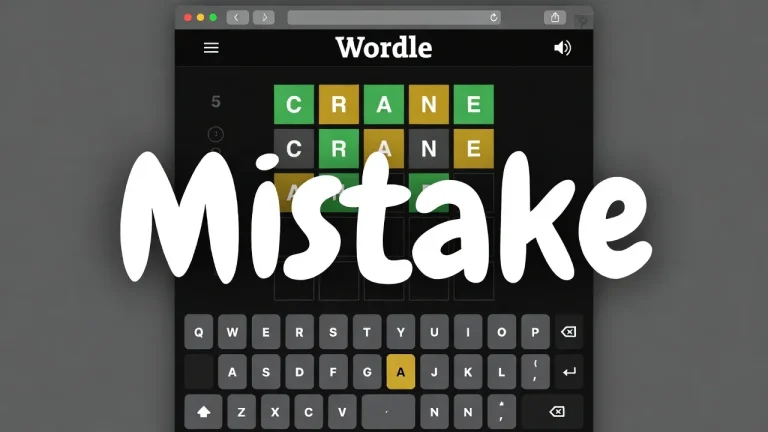
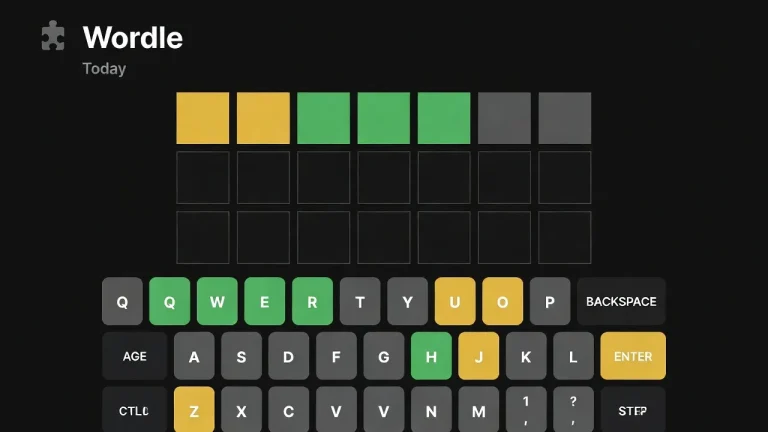
Wordle is an online word guessing game where players attempt to discover a five-letter word each day. Each guess provides feedback through color-coded hints. Green letters indicate correct placement, yellow letters indicate the right letter in the wrong position, and gray letters mean the letter is not in the word. The goal is to solve the puzzle within six tries. Wordle combines strategy, vocabulary knowledge, and logical thinking.
Why Wordle is Popular
Wordle’s popularity stems from its simplicity and daily challenge format. Social sharing of results has created a global community. Its short gameplay fits easily into daily routines. The minimalist interface makes it accessible on any device. Players enjoy testing their skills and competing informally with friends.
Daily Gameplay Concept
Wordle releases a new puzzle every day, giving players a unique challenge. Only one puzzle is available for each day, creating anticipation. This daily limit encourages routine play without overwhelming users. The shared puzzle experience adds a social dimension. Daily gameplay keeps Wordle fresh and engaging over time.
Benefits of Playing Wordle
Wordle improves vocabulary, spelling, and problem-solving skills. The game encourages analytical thinking by using clues to refine guesses. It also promotes a structured approach to solving challenges. Regular play strengthens cognitive skills and memory. Many players find it both educational and entertaining.
Wordle Variations
While the original Wordle focuses on a single five-letter word, several variations exist. Wordle Unlimited allows unlimited daily play. Absurdle increases difficulty by actively avoiding giving the answer. Dordle and Quordle introduce multiple words per game. Geographic Wordles, like Worldle, offer a fun twist using country shapes.
Also Visit: What Is Wordle? A Complete Guide to the Viral Word Game
Wordle Rules
Basic Gameplay Rules
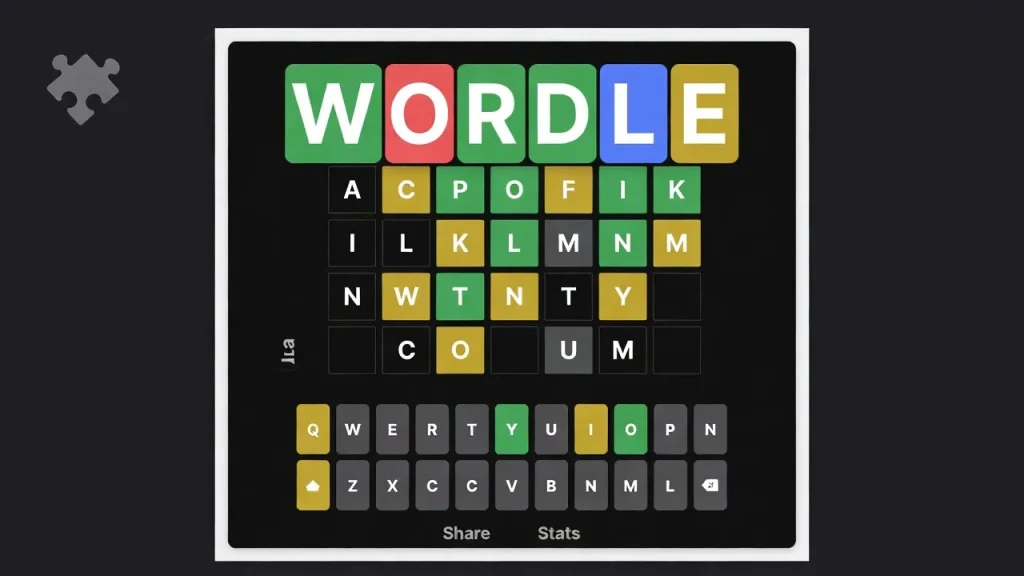
Players have six attempts to guess the correct five-letter word. Each guess must be a valid English word. After each guess, letters change color to provide feedback. Green letters are correct and in the correct position. Yellow letters are correct but misplaced, and gray letters are not in the word at all.
Guessing Strategy
Players should start with words containing common vowels and consonants. Avoid repeating letters in the initial guesses to maximize clue feedback. Pay attention to the colors provided for each letter. Adjust guesses logically based on the hints received. Strategic guessing improves the chance of solving Wordle efficiently.
Letter Placement Importance
Correct letter placement is crucial in Wordle. Green letters are fixed and guide subsequent guesses. Yellow letters require repositioning to find the correct location. Ignoring feedback slows progress. Careful attention to placement ensures fewer mistakes.
Handling Repeated Letters
Some Wordle words contain repeated letters, which can be tricky. If a guessed letter appears in yellow or green once, check carefully for possible duplicates. Adjust guesses accordingly. Understanding this nuance can prevent wasted attempts. Advanced players often use deduction to identify repeated letters quickly.
Winning Conditions
To win Wordle, the player must guess the correct word within six tries. Success requires strategic thinking, careful analysis, and a little luck. Each guess brings the player closer by narrowing down possibilities. Solving Wordle correctly provides satisfaction and a sense of achievement.
Tips for Wordle Beginners
Start With Common Words
Begin with words containing frequently used vowels and consonants. Examples include “crate,” “slate,” or “plane.” This strategy maximizes early feedback. Early clues help identify green and yellow letters. Choosing a strong starting word sets the foundation for success.
Focus on Vowels First
Identifying vowels early can reveal the word structure. Words with multiple vowels may appear frequently. Correctly guessing vowels narrows down options. Early vowel identification simplifies the puzzle. Beginners benefit from concentrating on vowels initially.
Avoid Random Guessing
Random guesses often waste valuable attempts. Analyze previous hints before each new guess. Logical deduction increases success rates. Observing patterns prevents repeated mistakes. Consistency and methodical guessing are key.
Track Possible Words Mentally
Keeping a mental list of potential words helps narrow choices. Cross-check previous guesses to refine possibilities. Eliminating unlikely words improves accuracy. This technique prevents repeated or unnecessary guesses. Mental tracking enhances efficiency.
Learn From Daily Practice
Playing Wordle regularly strengthens skills. Daily exposure helps recognize letter patterns and word combinations. Practice improves deduction speed and accuracy. It also builds confidence over time. Regular practice is essential for becoming a skilled player.
Advanced Wordle Strategies
Letter Frequency Analysis
Using letters that occur most often in English increases the odds. Start with commonly used consonants and vowels. This helps identify correct letters early. Advanced players use frequency analysis to optimize guesses. It reduces trial-and-error and improves efficiency.
Pattern Recognition
Recognizing common prefixes, suffixes, and letter combinations helps solve puzzles faster. Patterns like “-ing,” “-ed,” or “-er” frequently appear. Identifying these patterns eliminates unlikely words. Experienced players rely heavily on pattern recognition. This strategy saves attempts and improves accuracy.
Using Process of Elimination
Remove letters already confirmed as incorrect. Focus guesses on remaining options. Narrowing possibilities helps reveal the correct word. Logical elimination is critical in later attempts. This strategy ensures every guess counts.
Managing Multiple Words (for Variations)
In games like Dordle or Quordle, players must track multiple words at once. Dedicate attention to clues for each word. Use shared guesses strategically. Effective management is essential for success. Experienced players plan moves carefully to solve all words.
Maintaining Mental Flexibility
Wordle requires adapting strategies based on feedback. Avoid sticking rigidly to one approach. Consider alternative letter placements and combinations. Flexibility improves problem-solving under pressure. Mental adaptability separates casual players from experts.
Common Wordle Mistakes to Avoid
Overlooking Letter Placement
Ignoring green and yellow feedback is a frequent mistake. Misplacing letters slows progress. Careful analysis ensures optimal guesses. Correct placement leads to faster puzzle solving. Attention to detail is essential.
Using Rare Words Early
Guessing obscure words at the start reduces efficiency. Stick to common five-letter words initially. Early guesses should maximize feedback. Rare words are better for later strategic use. Prioritize high-probability words for early attempts.
Forgetting Previous Clues
Not remembering previous hints wastes guesses. Each color-coded letter provides vital information. Use clues from prior attempts effectively. Keeping track prevents repeated errors. Successful Wordle players pay close attention to feedback.
Relying on Luck Alone
Wordle is more strategic than random chance. Logical reasoning outperforms guessing blindly. Analyze patterns and eliminate impossible options. Combining strategy with observation increases winning chances. Over-reliance on luck can be frustrating.
Ignoring Word Variations
Some words may have multiple common forms. Consider alternative spellings and pluralizations. This flexibility prevents dead ends. Being aware of word variations is crucial for success. Adaptability enhances overall strategy.
Frequently Asked Questions (FAQs)
Is Wordle free to play?
Yes, the official Wordle is free and accessible through a web browser.
Can I play Wordle more than once a day?
The official daily Wordle allows only one puzzle per day. Variations like Wordle Unlimited offer multiple attempts.
What do the colors in Wordle mean?
Green letters are correct and in the right position, yellow letters are correct but misplaced, and gray letters are not in the word.
Are there tips for faster Wordle wins?
Yes, strategies like starting with common letters, tracking possible words, and using elimination increase efficiency.
Does Wordle improve vocabulary?
Playing Wordle regularly enhances vocabulary, spelling, and cognitive problem-solving skills.
Conclusion
Wordle is more than a casual word game—it’s a strategic, daily challenge that strengthens vocabulary and cognitive skills. Understanding the rules, using effective strategies, and practicing regularly increase success rates. Whether playing casually or competitively, Wordle provides an enjoyable and mentally stimulating experience.