How the Wordle Algorithm Chooses Daily Words
Wordle is a daily word puzzle that has become a cultural phenomenon worldwide. Its simple format and daily challenge make it easy to play but hard to master. Millions of people log on each day to guess the five-letter word in six attempts. This article explores the history of Wordle and how it transformed from a private experiment into a global sensation.
The Origins of Wordle
Creation by Josh Wardle
Wordle was created by software engineer Josh Wardle as a personal project for his partner. Originally, it was a private game shared only with family and friends. Its simplicity and charm made it enjoyable and addictive. Wardle’s approach focused on minimalism and fun. The game’s humble beginnings added to its appeal.
Inspiration Behind the Game
Wardle was inspired by his love of word games and puzzles. He wanted to create something entertaining but not overly complicated. Classic games like Hangman and crossword puzzles influenced its design. The focus was on daily play and strategic thinking. This blend of inspiration and simplicity shaped Wordle’s identity.
Early Testing Phase
Before going public, Wordle underwent private testing. Feedback from friends helped refine gameplay and mechanics. The color-coded hint system was fine-tuned during this phase. Adjustments ensured the game was both challenging and accessible. Private testing was key to its eventual success.
Minimalistic Design
Wordle’s design is clean, intuitive, and easy to navigate. There are no distractions, ads, or unnecessary features. This simplicity made it approachable for all ages. The minimalism focused attention entirely on the puzzle. A clear, uncluttered interface contributed to viral appeal.
Initial Popularity Among Friends
Wordle quickly became a hit among Wardle’s circle. Its daily format and challenging nature encouraged repeated play. Early players shared results, creating excitement and curiosity. Wordle’s initial growth relied on word-of-mouth recommendations. This foundation set the stage for broader popularity.
Also Visit: Why Wordle Became One of the Most Popular Online Games
Going Public
Launch in 2021
Wordle was released publicly in October 2021. Players could access it through a simple web browser interface. No apps or downloads were required. Its accessibility allowed people worldwide to join effortlessly. The public release marked the start of viral growth.
Early Community Engagement
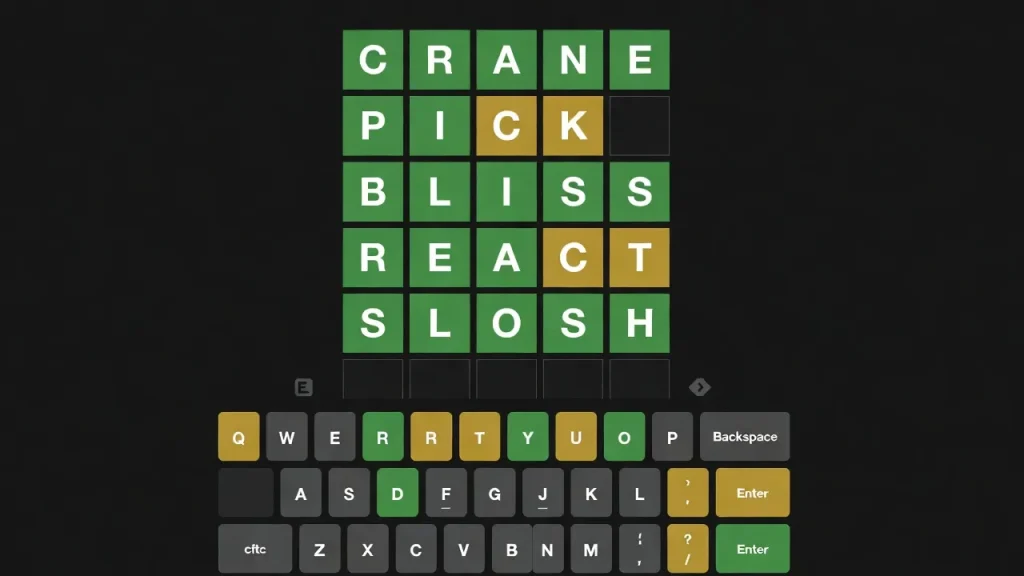
Wordle’s early users shared results on social media. The color-coded grid allowed players to showcase success without spoilers. Platforms like Twitter and Reddit fueled interest. Early communities formed around tips, strategies, and friendly competition. Engagement helped the game gain momentum rapidly.
Social Media Explosion
Viral sharing propelled Wordle to international attention. Hashtags like #Wordle and screenshot challenges spread quickly. Players enjoyed comparing streaks and patterns with friends. Social media amplified awareness and engagement. The viral nature of sharing was crucial to its widespread popularity.
Accessibility and Free Play
Wordle’s free access contributed to rapid adoption. Anyone with an internet connection could participate. No subscriptions or payments were required. Free play removed barriers and encouraged daily participation. Accessibility ensured inclusivity across demographics.
Building a Global Fanbase
The combination of daily puzzles, social sharing, and accessibility helped Wordle gain a worldwide following. Players from multiple countries joined the trend. Wordle became more than a game—it became a shared cultural experience. Its global fanbase continues to grow.
Acquisition by The New York Times
Announcement of Acquisition
In January 2022, The New York Times acquired Wordle. The move brought Wordle into a larger platform of puzzles and games. Fans were concerned about changes but reassured about preserving core gameplay. Acquisition provided resources for long-term maintenance.
Maintaining Core Gameplay
The New York Times retained Wordle’s original rules and daily format. Minimal design and simplicity remained intact. Fans appreciated the preservation of what made the game enjoyable. Maintaining familiarity ensured continued engagement. The acquisition balanced growth with tradition.
Expanding Features
While core gameplay stayed the same, subtle enhancements were added. Accessibility improvements and minor interface tweaks were implemented. Integration with other puzzle offerings broadened Wordle’s exposure. Updates ensured sustainability without altering the player experience.
Increased Visibility
The Times’ platform exposed Wordle to a broader audience. Readers of the newspaper and subscribers discovered the game. Media coverage expanded globally. Increased visibility reinforced its popularity and mainstream recognition. Wordle transitioned from niche game to household name.
Long-Term Sustainability
The acquisition provided financial and technical support for Wordle’s longevity. Infrastructure improvements allowed daily play without interruptions. Continued development ensured smooth gameplay. Sustainable growth strengthened its position as a cultural phenomenon.
Wordle’s Cultural Impact
Daily Rituals
Wordle became part of daily routines for millions. Morning or evening gameplay became a shared ritual. The daily release creates anticipation and excitement. This habit-building aspect contributes to long-term engagement. Daily rituals strengthen the bond between players and the game.
Social Media Sharing
Players consistently share results online without revealing answers. Emoji-based grids allow visual comparison of success. Sharing fosters friendly competition and community engagement. Social interaction turned Wordle into a social experience. Viral sharing amplified its global reach.
Educational Influence
Wordle enhances vocabulary, spelling, and problem-solving skills. Educators recommend it for language learning. Informal gameplay provides cognitive benefits. Students and adults alike benefit from daily practice. Educational value adds another layer to Wordle’s appeal.
Variations and Spin-Offs
The success of Wordle inspired derivative games such as Dordle, Quordle, Absurdle, and Worldle. These variations expanded the puzzle universe and challenged advanced players. They also increased interest and engagement in the original Wordle. Spin-offs demonstrate its influence on gaming trends.
Influence on Internet Culture
Wordle has inspired memes, fan art, and pop culture references. Its presence in online communities is significant. The game has become a symbol of shared experience. Cultural references reflect its impact beyond gaming. Wordle is now part of digital culture.
Longevity and Continued Popularity
Consistent Daily Challenges
The daily puzzle model keeps players returning consistently. New challenges maintain engagement and interest. The limited one-per-day format encourages anticipation. Routine participation strengthens player retention. This system sustains long-term popularity.
Community Engagement
Online forums, social media, and newsletters keep the community active. Discussions of strategies, tips, and results foster loyalty. Engagement builds a sense of belonging among players. Community-driven interest ensures continued relevance.
Accessibility Across Devices
Wordle’s web-based format allows play on computers, tablets, and smartphones. No downloads or apps are needed. This versatility ensures players can participate anywhere. Easy access contributes to widespread adoption.
Minimalist Design Appeal
The simple interface and lack of distractions make Wordle appealing. Focus remains entirely on the puzzle. Minimalist design enhances user experience. The clean interface is a key factor in its enduring success.
Adaptability and Variants
Newer variations keep the game fresh and challenging. Players seeking additional difficulty or different formats remain engaged. Adaptability ensures that Wordle remains relevant and interesting. Variants sustain interest for advanced players.
Frequently Asked Questions (FAQs)
Who created Wordle?
Wordle was created by software engineer Josh Wardle in 2021.
Why did Wordle go viral?
Social sharing, simplicity, and daily challenges contributed to its rapid viral spread.
Is Wordle free to play?
Yes, Wordle is completely free and accessible online via a web browser.
Did The New York Times change the game?
The Times acquired Wordle but kept the core gameplay and daily puzzle intact.
Are there Wordle variations?
Yes, games like Dordle, Quordle, Absurdle, and Worldle are inspired by Wordle.
Conclusion
Wordle’s journey from a small personal project to a global phenomenon is remarkable. Its simple mechanics, daily challenges, social sharing, and educational value drove its popularity. Acquisition by The New York Times and the emergence of variants ensured long-term engagement. Wordle’s combination of accessibility, mental stimulation, and cultural impact continues to make it one of the most beloved online games worldwide.