Best Starting Words for Wordle to Win Every Time
Choosing the right starting word is one of the most effective strategies to solve Wordle efficiently. A strong opening guess can reveal important letters and their positions, giving you a head start. Many players struggle with which words to use first, leading to wasted attempts. This guide covers the best starting words and strategies to maximize your chances of winning Wordle.
Why Starting Words Matter
First Guess Advantage
The first guess sets the tone for the entire puzzle. Using a well-chosen word can reveal multiple correct letters immediately. It provides crucial feedback for subsequent guesses. Players gain confidence and direction with a strong start. Choosing wisely can dramatically improve overall success.
Letter Frequency Insights
Common letters appear more frequently in English words. Starting words with high-frequency vowels and consonants increase the chances of matches. Letters like E, A, R, O, and T often appear in Wordle solutions. Using these letters early maximizes information gained. Frequency analysis is key to smart guessing.
Vowel Identification
Vowels play a central role in word structure. Identifying vowels early helps narrow down possible word patterns. Words containing multiple vowels are excellent starting guesses. Early vowel detection improves efficiency in solving the puzzle. It’s a foundational step in strategic play.
Avoiding Rare Letters
Starting with unusual letters can reduce effectiveness. Letters like Q, X, Z, and J rarely appear in daily Wordle words. Including them in early guesses risks wasted attempts. Focusing on common letters first increases success rates. Beginners benefit most from familiar letter combinations.
Strategic Feedback
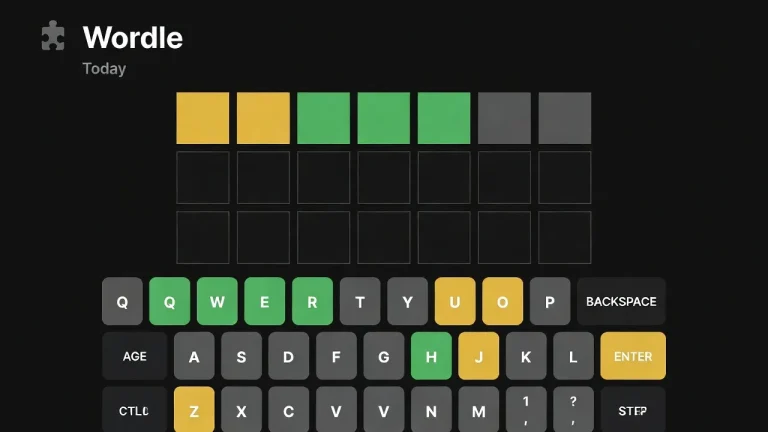
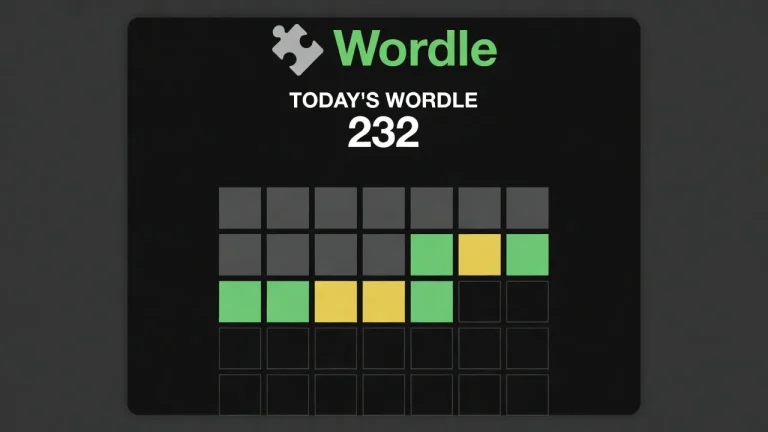
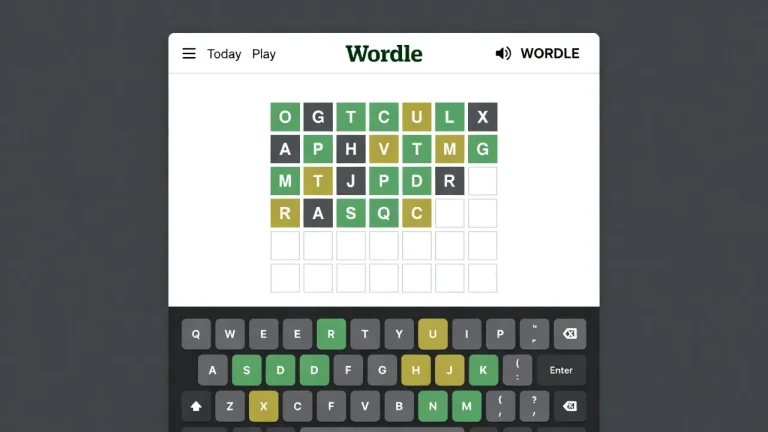
A strong starting word provides meaningful color-coded feedback. Green letters indicate correct placement, yellow letters show misplacement, and gray letters eliminate options. This feedback shapes the next guesses. Effective first words maximize the value of each attempt.
Also Visit: How to Play Wordle: Rules, Tips, and Winning Strategies
Characteristics of Good Starting Words
Balanced Consonants and Vowels
Good starting words combine common consonants with vowels. Words like “crate” and “slate” include both types. This balance helps reveal letters efficiently. It increases the chance of uncovering multiple correct letters. Balanced words provide a solid foundation for strategy.
Avoiding Repeated Letters Initially
Repeated letters in starting words can limit information gained. Using unique letters ensures more coverage of possibilities. This helps identify correct letters across the board. Unique-letter words are more informative. They make subsequent guesses more accurate.
Short, Simple Words
Five-letter words are ideal for Wordle, but starting with simple and common words is even better. Avoid obscure or complicated words at first. Simple words are easier to guess and analyze. They maximize feedback while minimizing confusion. A clean start increases puzzle-solving efficiency.
Common Letter Placement
Some letters often appear in specific positions. Starting words like “stare” or “arise” place high-frequency letters in typical locations. This helps detect correct placement early. Positioning insights are vital for strategic progress. Recognizing placement patterns boosts effectiveness.
Pronounceable and Memorable
Starting words should be easy to remember and pronounce. Familiarity helps track previous guesses mentally. Pronounceable words reduce errors during repeated attempts. Memory aids play a role in strategic deduction. Familiar words keep gameplay smooth and intuitive.
Recommended Starting Words
CRATE
“Crate” combines common consonants (C, R, T) with vowels (A, E). This word often reveals at least one green or yellow letter in early guesses. Its balanced composition makes it a reliable starting choice. Many expert players recommend it for maximum feedback.
SLATE
“Slate” includes frequently used letters like S, L, T, A, and E. It provides a high probability of identifying vowels and consonants in the first attempt. Its structure covers common word patterns effectively. A top choice for beginner and advanced players alike.
TRACE
“Trace” introduces a different combination of consonants and vowels while still including common letters. Its unique arrangement helps detect letter positions quickly. This word often uncovers key clues in early gameplay. Experts favor it for logical first moves.
CRANE
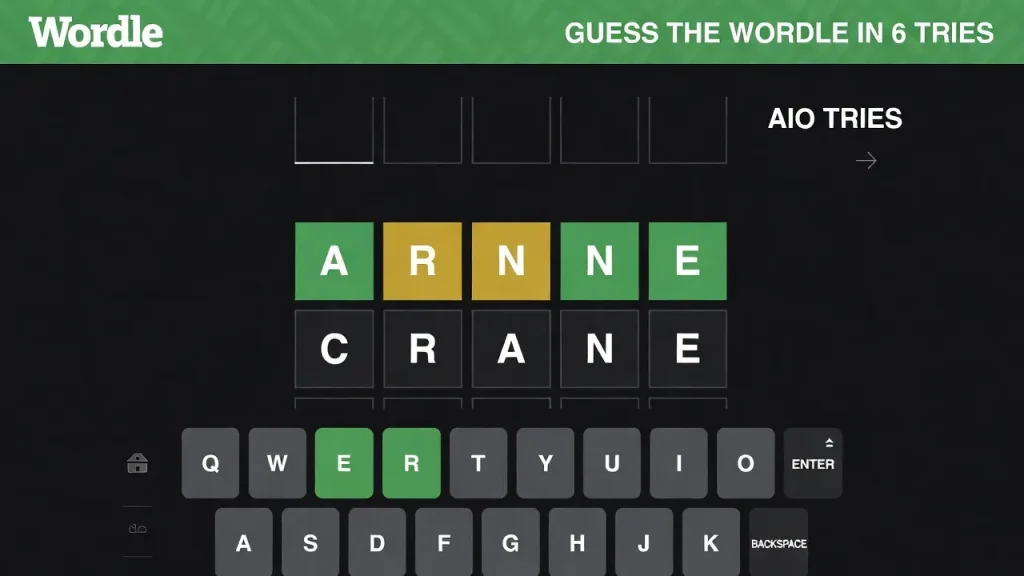
“Crane” is a versatile word that balances common letters. It provides early feedback and reveals vowels and consonants effectively. Its high success rate makes it a favorite among seasoned Wordle players. Using it first can simplify the puzzle.
ARISE
“Arise” focuses on vowel placement while including frequently used consonants. It’s ideal for identifying patterns and potential positions. Early clues from “arise” often guide subsequent guesses accurately. Many top players start with this word daily.
Tips for Choosing Your Own Starting Words
Rotate Your First Guesses
Avoid using the same word every day. Rotating starting words exposes different letters over time. This increases familiarity with possible combinations. Variety helps prevent repetitive mistakes. It also improves skill development in the long term.
Analyze Daily Feedback
Pay attention to how letters perform in your initial guesses. Certain letters appear more frequently in solutions. Adjust your starting word strategy based on past observations. Feedback-based selection increases success rates. Insightful analysis is key to improvement.
Combine High-Frequency Letters
Use words containing letters like E, A, R, O, and T. Combining high-frequency letters early increases chances of early success. Strategic letter selection improves efficiency. Prioritizing frequent letters is a proven technique.
Avoid Uncommon Letters Early
Reserve letters like Q, Z, X, and J for later guesses if needed. Using rare letters initially provides minimal useful feedback. Focus on letters most likely to appear in solutions first. This strategy prevents wasted attempts and frustration.
Adapt Based on Progress
Be flexible after the first guess. Adjust your next word based on color-coded clues. Use elimination and placement information effectively. Adaptation improves accuracy and reduces errors. Expert Wordle players change strategy dynamically.
Advanced Strategies for First Guesses
Pattern Recognition
Identify common prefixes, suffixes, and letter combinations. Words with predictable patterns increase early feedback. Recognizing patterns allows for quicker deduction. This technique reduces trial-and-error. Pattern recognition is key for efficient solving.
Multiple Vowels Strategy
Start with words containing at least two vowels. Multiple vowels reveal structural clues. Early vowel identification narrows down possibilities. This strategy works well for difficult puzzles. Using two or more vowels is highly effective.
Letter Elimination Approach
Use starting words that cover the most common letters without repetition. Eliminating letters quickly narrows down options. Focus guesses based on confirmed letters. Logical elimination ensures each attempt adds value. It’s a cornerstone of expert play.
Adaptive Guessing
Change starting words based on prior puzzle results. Avoid repeating ineffective first words. Adaptation ensures better coverage of letters over time. This keeps gameplay dynamic and efficient. Smart adaptation leads to higher success rates.
Tracking Word Patterns
Keep mental or written notes of which letters frequently appear in certain positions. Use this information to select starting words strategically. Tracking patterns improves guess accuracy. Experienced players rely on pattern tracking daily.
Frequently Asked Questions (FAQs)
What makes a good starting Wordle word?
A good starting word has common vowels and consonants, unique letters, and a balanced structure.
How many starting words should I have?
It’s recommended to rotate 3–5 starting words for variety and better coverage.
Do starting words guarantee a win?
While they increase chances, Wordle still requires logical deduction and attention to feedback.
Are certain starting words better for beginners?
Yes, words like “crane,” “slate,” and “arise” are ideal for new players due to common letters.
Should I use rare letters in my first guess?
No, focus on high-frequency letters first; rare letters are more useful in later guesses.
Conclusion
Choosing the right starting word is a crucial step toward mastering Wordle. Words with common letters, balanced vowels, and no repeated letters provide the best early feedback. By rotating and adapting starting words, players can improve efficiency and solve puzzles more consistently. Using smart starting words gives every player a competitive edge.