10 Proven Wordle Strategies to Solve Puzzles Faster
Wordle is a daily word puzzle that challenges players to guess a hidden five-letter word in six attempts. Success requires more than luck; strategy is key. Using proven techniques can improve accuracy and speed. This guide covers ten effective strategies to help you solve Wordle puzzles faster and more consistently.
Start With Optimal Words
Choose Words With Common Letters
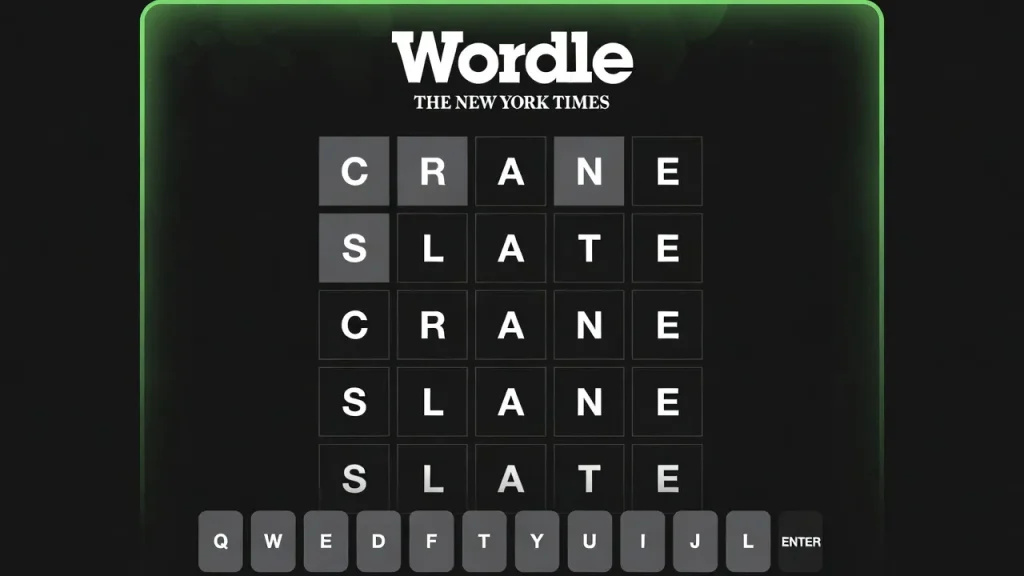
Beginning with letters that appear frequently in English words increases your chances of early success. Words like “crane” or “slate” often reveal multiple correct letters. This strategy maximizes feedback from your first guess. It helps narrow down possible word options immediately. Experts recommend starting with high-frequency letters to gain an advantage.
Include Multiple Vowels
Vowels are central to word structure. Choosing words with two or more vowels reveals word patterns early. For example, “arise” or “audio” quickly identifies vowel positions. Early vowel detection simplifies subsequent guesses. This approach reduces trial-and-error significantly.
Avoid Repeated Letters Initially
Using unique letters in your first guess is more informative than repeating letters. It covers more possibilities in a single attempt. This method helps identify correct letters faster. Avoiding repeats ensures that each guess provides maximum clues. Efficient first guesses set a strong foundation for solving the puzzle.
Rotate Starting Words
Don’t rely on the same starting word every day. Rotating words exposes different letters and combinations over time. This practice increases your overall coverage of the alphabet. It prevents stagnation and repetitive mistakes. Strategic rotation improves long-term success.
Memorize High-Value Words
Certain starting words consistently yield useful feedback. Memorizing words like “slate,” “crate,” “trace,” “arise,” and “crane” is helpful. These words cover the most common letters. Using them strategically improves efficiency. Having a mental list of go-to starting words is a valuable habit.
Also Visit: Best Starting Words for Wordle to Win Every Time
Analyze Letter Feedback
Understand Color Codes
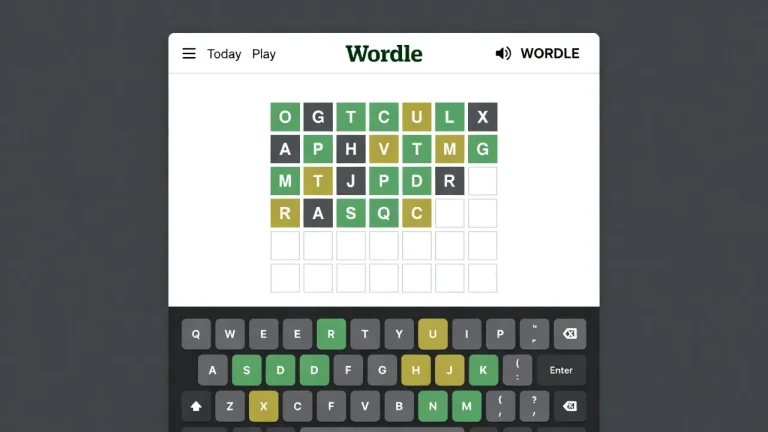
Green letters indicate correct placement, yellow letters are correct but misplaced, and gray letters are not in the word. Understanding this system is crucial. Each color provides information that guides your next guess. Correct interpretation is the foundation of all Wordle strategies.
Focus on Placement
Pay attention to where letters appear in the word. A green letter is locked in its position for subsequent guesses. Yellow letters require repositioning. Correctly using placement information accelerates puzzle solving. Ignoring it slows progress.
Track Eliminated Letters
Keep a mental or written note of gray letters. Eliminating impossible letters narrows down options for later guesses. Systematic tracking prevents repeated mistakes. Efficient elimination is a core part of expert Wordle play.
Adjust Strategies Based on Feedback
Analyze clues from each guess to refine your approach. Adapt your guesses dynamically based on the letters revealed. Flexibility ensures better accuracy. This method allows for faster progression. Observant players consistently outperform others.
Use Feedback to Predict Patterns
Color-coded hints reveal word structure patterns. Early feedback often indicates common prefixes or suffixes. Recognizing these patterns speeds up puzzle solving. Experienced players leverage this information daily. Pattern recognition reduces guesswork significantly.
Maximize Letter Coverage
Cover Most Letters Early
Your initial guesses should include as many different letters as possible. This maximizes the information gained in the first two attempts. Words like “stare” or “adieu” cover multiple vowels and consonants. Broad coverage improves your chances of hitting correct letters. It’s a cornerstone of efficient strategy.
Avoid Rare Letters Initially
Rare letters like Q, X, Z, and J are unlikely to appear in daily Wordle words. Focusing on common letters first improves early feedback. Reserve rare letters for later guesses if necessary. This approach reduces wasted attempts. Prioritizing common letters is more effective for beginners and experts alike.
Use Consonant Clusters Strategically
Consonants often appear together in English words. Starting with combinations like “cr” or “st” can reveal key patterns. Identifying these clusters early narrows down word possibilities. Strategic use of consonant pairs is essential for efficient guessing. It complements vowel identification perfectly.
Balance Vowels and Consonants
Effective guesses combine vowels and consonants to reveal word structure. Balanced words like “crate” or “slate” often produce multiple color-coded hits. Early detection of both letter types speeds up the puzzle. A balanced approach minimizes guesswork. Efficient letter coverage reduces total attempts.
Track Letter Frequency
Keep mental notes of which letters appear more often in solutions. Common letters include E, A, R, O, T, L, and S. Prioritize these letters in your early guesses. Frequency analysis guides effective selection. This strategy increases your chances of solving puzzles faster.
Strategic Guessing
Eliminate Possibilities Methodically
Use each guess to rule out incorrect letters systematically. Narrow down options by eliminating gray letters. Logical elimination accelerates solution discovery. Each guess should add value, not randomness. Methodical deduction is a hallmark of expert Wordle play.
Focus on Green and Yellow Letters
Prioritize letters already revealed in green or yellow. Green letters are fixed; yellow letters need repositioning. Concentrating on these letters ensures faster progress. Ignoring these hints wastes valuable attempts. Color-focused guessing improves efficiency.
Avoid Overcomplicating Guesses
Stick to common words and patterns. Avoid obscure or rare words unless necessary. Overthinking slows down your solving process. Simple, logical guesses produce better results. Keeping it simple often leads to quicker wins.
Predict Likely Word Endings
Many words end with common suffixes like “-ed,” “-er,” or “-ing.” Early recognition of endings accelerates guessing. Predicting endings helps refine potential solutions. Experienced players often anticipate endings by the third attempt. This strategy reduces unnecessary guesses.
Consider Multiple Possibilities
Don’t focus on just one potential word. Keep alternative options in mind. Adapt guesses as new feedback emerges. Considering multiple possibilities improves flexibility. This ensures faster and more accurate puzzle completion.
Practice and Adaptation
Play Daily
Daily practice enhances familiarity with word patterns. Frequent play strengthens recognition of common letters and structures. Regular practice improves deduction speed and accuracy. It also builds confidence for tougher puzzles. Habitual players solve Wordle faster consistently.
Analyze Past Puzzles
Review previously solved Wordle puzzles for insights. Identify common letter combinations and patterns. Learning from past games informs better first guesses. This historical analysis boosts efficiency. Experienced players often use past data to optimize strategies.
Track Personal Success Patterns
Observe which strategies work best for you. Everyone has unique strengths and approaches. Tracking personal patterns helps refine your technique. Customized strategies increase solving speed. Personal insights complement general tips effectively.
Adapt to Different Word Types
Wordle words can include nouns, verbs, or adjectives. Recognizing word types helps predict possible solutions. Adapt strategies based on context and letter placement. Flexibility improves success rates. Tailored approaches yield faster wins.
Stay Mentally Flexible
Avoid rigidly sticking to one strategy. Adapt to new feedback and word structures. Mental flexibility ensures accurate deduction. Adjusting strategies dynamically reduces mistakes. Flexible thinking is critical for consistently fast solving.
Frequently Asked Questions (FAQs)
Do these strategies guarantee a Wordle win?
While no strategy guarantees a win, following these tips greatly increases your chances.
What is the best first guess for Wordle?
Words like “crane,” “slate,” “arise,” and “trace” are proven effective starting words.
Should I focus on vowels or consonants first?
Vowels are crucial early, but balancing consonants is equally important for optimal feedback.
How can I reduce the number of guesses?
Use letter frequency, elimination, and color-coded feedback strategically. Avoid guessing randomly.
Do advanced strategies work for beginners?
Yes, even simple adoption of these strategies improves solving speed for new players.
Conclusion
Using proven strategies significantly increases your efficiency in Wordle. From starting words and letter coverage to strategic guessing and practice, every approach contributes to faster puzzle solving. Daily play combined with careful observation, flexibility, and logical deduction helps players solve Wordle puzzles consistently. Applying these strategies transforms casual players into confident solvers.